
Why Stainless Steel Remains a Preferred Industrial Material

Stainless steel continues to be one of the world's most important engineering materials, playing a vital role in industries ranging from construction and transportation to food processing, medical equipment, renewable energy, and advanced manufacturing. As manufacturers seek materials that combine durability, performance, and sustainability, stainless steel remains the preferred choice for a wide variety of industrial applications.
According to the World Stainless Association, global stainless steel melt shop production reached more than 62 million tonnes in recent years, reflecting the material's strong demand despite fluctuations in the global economy. Growth has been supported by expanding infrastructure projects, industrial modernization, urban development, and increasing investment in clean energy technologies.
One of stainless steel's greatest advantages is its outstanding corrosion resistance. The chromium contained in stainless steel forms a thin, self-healing passive oxide layer on the surface, protecting the material from rust and chemical corrosion. This characteristic makes stainless steel particularly suitable for harsh operating environments, including chemical processing plants, marine engineering, water treatment facilities, and offshore equipment.
Mechanical performance is another reason for its widespread use. Stainless steel offers an excellent balance of strength, toughness, ductility, and heat resistance. Different grades—including 304, 316, 321, 410, and 430 stainless steel—are designed to meet the specific requirements of industries such as automotive manufacturing, industrial machinery, pressure vessels, household appliances, and precision engineering.
The food and pharmaceutical industries also rely heavily on stainless steel because of its hygienic properties. Its smooth, non-porous surface is easy to clean and resistant to bacterial contamination, making it ideal for food processing equipment, dairy production lines, beverage manufacturing, commercial kitchens, and pharmaceutical facilities. Compliance with strict hygiene standards has made stainless steel the material of choice for many sanitary applications.
As environmental sustainability becomes increasingly important, stainless steel offers significant advantages over many alternative materials. According to the International Stainless Steel Forum (ISSF), stainless steel is 100% recyclable and is frequently produced using a high proportion of recycled raw materials. Its long service life also reduces maintenance requirements and replacement frequency, helping lower lifecycle costs while supporting circular economy initiatives.
Technological advances continue to expand the application of stainless steel. Modern cold rolling, precision annealing, surface finishing, and automated processing technologies enable manufacturers to produce thinner, stronger, and more precise stainless steel products for electric vehicles, battery systems, consumer electronics, medical devices, and semiconductor equipment.
Digital manufacturing has further improved stainless steel production. Modern rolling mills equipped with PLC control systems, Automatic Gauge Control (AGC), online inspection systems, intelligent process control, and predictive maintenance technologies deliver higher dimensional accuracy, improved surface quality, and more consistent production efficiency. These innovations allow manufacturers to meet increasingly demanding customer requirements while reducing production costs.
The rapid development of renewable energy is creating new opportunities for stainless steel applications. Wind power equipment, hydrogen production systems, solar energy projects, desalination plants, and energy storage facilities all require materials capable of operating reliably under demanding environmental conditions. Stainless steel's combination of corrosion resistance, mechanical strength, and long-term durability makes it an ideal solution for these emerging industries.
Looking ahead, demand for stainless steel is expected to remain strong as governments continue investing in infrastructure, energy transition, smart manufacturing, and sustainable industrial development. Supported by continuous innovation in materials, processing technologies, and intelligent manufacturing, stainless steel will continue to play a central role in the global industrial economy.
 Cold Mill Rolls: Technology Upgrades Support Higher Precision and Rolling Performance
  Hot-Rolled Coil: Baosteel Raises September Prices as Market Watches for Demand Recovery
  Stainless Steel Supports Green Manufacturing and the Circular Economy
  Global Market Trends for Hot Rolled Stainless Steel Coil and Sheet
  From "Qualified" to "Premium": Full-Traceability Systems Force Process Refinement
  Advantages and Applications of Stainless Steel Coils
 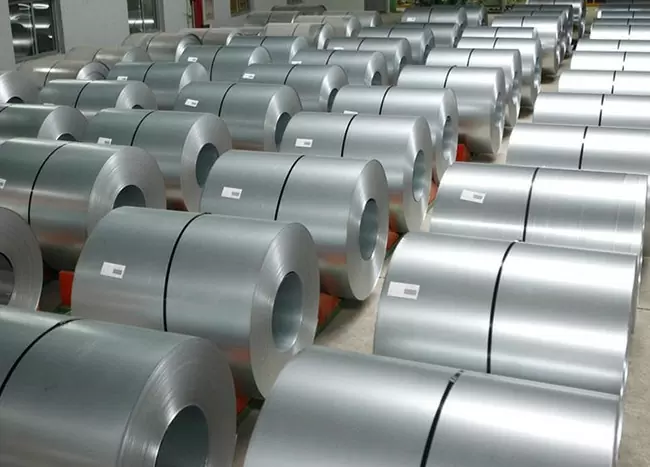 2026 Steel Coil Market Outlook: Capacity Expansion, Inventory Divergence, and Trade Landscape Reshaping
  From Pipe to Plate, Coil to Bar: How Carbon Steel, Galvanized Steel, and Stainless Steel Meet Diverse Industrial Demands
  Main applications of hot rolled stainless steel coil and sheet
  Main stainless steel grades
 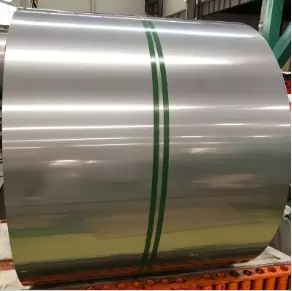 main types of finishings for steel coils