
Stainless Steel Supports Green Manufacturing and the Circular Economy

As countries around the world accelerate the transition toward green manufacturing and low-carbon development, sustainable materials are becoming increasingly important to modern industry. Thanks to its excellent corrosion resistance, high strength, long service life, and 100% recyclability, stainless steel is widely recognized as one of the world's most sustainable engineering materials. According to the World Stainless Association, stainless steel can be recycled repeatedly without losing its essential properties, helping conserve natural resources, reduce waste, and lower carbon emissions.
Driven by the ongoing transformation of global manufacturing toward higher efficiency, smarter production, and greater sustainability, stainless steel is finding broader applications in construction, food processing, chemical equipment, medical devices, rail transportation, electric vehicles, and energy infrastructure. Its durability and hygienic properties allow equipment and facilities to operate reliably for decades while reducing maintenance requirements and lowering total life-cycle costs.
The rapid expansion of new energy industries is also creating new opportunities for stainless steel. Battery manufacturing equipment, energy storage systems, hydrogen production facilities, photovoltaic manufacturing lines, and wind power installations all require corrosion-resistant and high-strength stainless steel components capable of operating in demanding environments. As demand for these industries continues to grow, the market for high-quality stainless steel strip and sheet products is expanding accordingly, driving further investment in advanced cold rolling, slitting, and finishing technologies.
At the same time, the principles of the circular economy are reshaping industrial production worldwide. Manufacturers are placing greater emphasis on extending product life cycles, improving resource efficiency, and increasing the recycling rate of industrial materials. Stainless steel plays a vital role in this transition due to its high recycling value and well-established global recycling system, making it an ideal material for sustainable industrial development.
For steel processors, advanced equipment such as cold rolling mills, slitting lines, and skin pass mills helps improve dimensional accuracy, surface quality, and production efficiency while reducing energy consumption and material waste. Modern automation technologies and intelligent control systems further enhance manufacturing performance, enabling producers to meet increasingly demanding quality standards while supporting environmental goals.
Looking ahead, global efforts to reduce carbon emissions and promote sustainable manufacturing are expected to further strengthen the role of stainless steel across a wide range of industries. With its unique combination of durability, recyclability, and long-term economic value, stainless steel will remain a key material supporting green manufacturing and the continued development of the circular economy.
 Cold Mill Rolls: Technology Upgrades Support Higher Precision and Rolling Performance
  Hot-Rolled Coil: Baosteel Raises September Prices as Market Watches for Demand Recovery
  Why Stainless Steel Remains a Preferred Industrial Material
  Global Market Trends for Hot Rolled Stainless Steel Coil and Sheet
  From "Qualified" to "Premium": Full-Traceability Systems Force Process Refinement
  Advantages and Applications of Stainless Steel Coils
 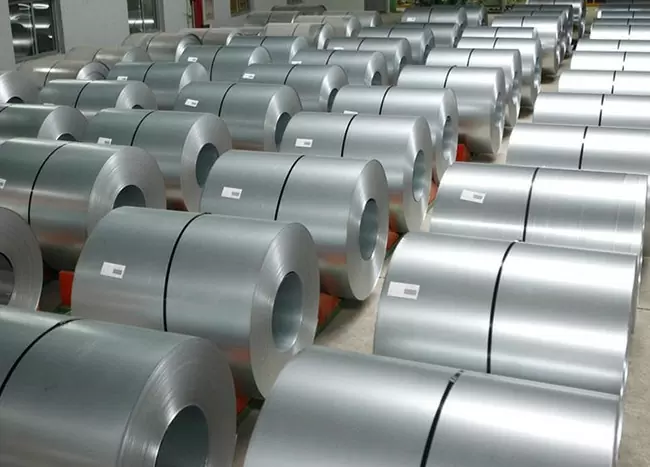 2026 Steel Coil Market Outlook: Capacity Expansion, Inventory Divergence, and Trade Landscape Reshaping
  From Pipe to Plate, Coil to Bar: How Carbon Steel, Galvanized Steel, and Stainless Steel Meet Diverse Industrial Demands
  Main applications of hot rolled stainless steel coil and sheet
  Main stainless steel grades
 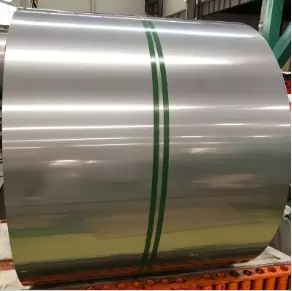 main types of finishings for steel coils