
From "Qualified" to "Premium": Full-Traceability Systems Force Process Refinement

Since 2025, a wave of quality upgrade policies has been reshaping the steel and building materials industries.
In April, the State Administration for Market Regulation issued implementation guidelines requiring quality safety traceability for all products under production license and compulsory certification management by the end of 2025. In September, five ministries jointly issued a work plan mandating traceability for steel products such as rebar. That same month, the Ministry of Industry and Information Technology included full-process quality traceability as one of 98 key scenarios in its digital transformation roadmap for the steel industry.
On the standards front, the industry's first national standard for building material traceability — General Requirements for Traceability System of Building Materials Products (GB/T 45592-2025) — was released in April and takes effect on November 1, 2025. It provides unified specifications for traceability system design and application, covering the entire chain from raw material intake to end-product use.
Local governments are moving fast. In Weihai, Shandong, the thermal insulation materials sector has adopted a "one batch, one code" traceability system, embedding 16 key data points into each batch's QR code. The result: a 100% pass rate in spot checks and zero quality complaints. In Shaanxi, digital identity codes now enable full-chain traceability with a single scan.
Leading steel companies are also taking action. Rizhao Steel has given every plate a unique "digital ID" for full traceability from warehouse entry to delivery. Taigang's cold rolling mill has achieved "one coil, one code" traceability, assigning clear quality responsibility to each process stage. Jingye Group, in partnership with USTB, launched a full-process quality management system that enables one-click traceability from molten steel to finished coil in under three seconds.
The results speak for themselves. At Zenith Steel, quality anomaly tracing time dropped from 120 minutes to 10 minutes, while premium bearing steel qualification rates rose to 99.2%. Industry-wide, data shows that AI-powered quality management systems are significantly improving product qualification rates and performance stability.
From policy to standards, from pilots to industry-wide adoption, full-process traceability is no longer optional — it's becoming the new baseline. And as every batch of material gains its own "digital dossier," quality is no longer just an end-of-line inspection result, but a product of whole-process management.
The journey from "qualified" to "premium" — driven by traceability systems that force process refinement — is just beginning.
 Cold Mill Rolls: Technology Upgrades Support Higher Precision and Rolling Performance
  Hot-Rolled Coil: Baosteel Raises September Prices as Market Watches for Demand Recovery
  Stainless Steel Supports Green Manufacturing and the Circular Economy
  Why Stainless Steel Remains a Preferred Industrial Material
  Global Market Trends for Hot Rolled Stainless Steel Coil and Sheet
  Advantages and Applications of Stainless Steel Coils
 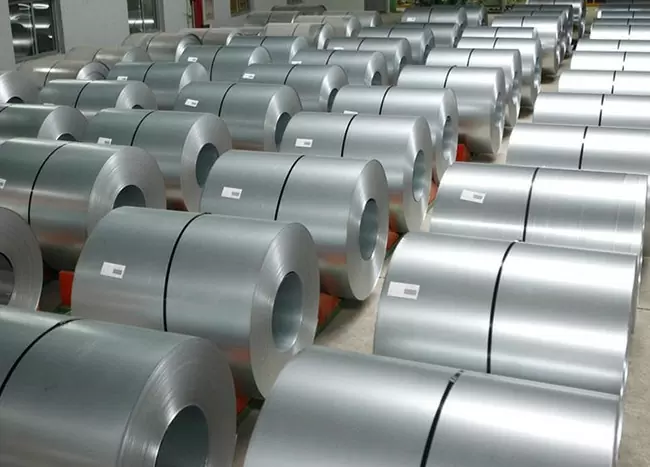 2026 Steel Coil Market Outlook: Capacity Expansion, Inventory Divergence, and Trade Landscape Reshaping
  From Pipe to Plate, Coil to Bar: How Carbon Steel, Galvanized Steel, and Stainless Steel Meet Diverse Industrial Demands
  Main applications of hot rolled stainless steel coil and sheet
  Main stainless steel grades
 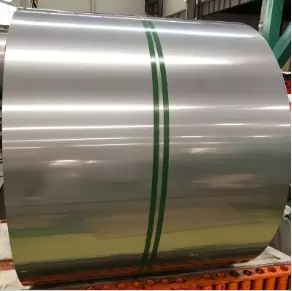 main types of finishings for steel coils